How to Protect Your Muscle While Taking GLP-1 Medication
Why muscle matters during weight loss
When you lose weight — whether through diet, surgery, or medication — your body loses both fat and muscle. With GLP-1 medications, about 20–40% of the weight you lose can come from lean body mass (which includes muscle). Losing too much muscle can affect your strength, balance, energy, bone health, and metabolism. The good news is that you can take simple, proven steps to protect your muscle while still losing fat.
Step 1: Prioritize protein at every meal
Aim for 80–120 grams of protein per day, or about 1.2–1.6 grams per kilogram of your body weight daily.
Eat protein-rich foods first at each meal, since your appetite will be smaller on these medications.
Choose nutrient-dense, lower-volume protein sources that are easier to eat when appetite is low:
Greek yogurt, cottage cheese, eggs
Fish, lean poultry
Beans, lentils, tofu
Nuts, seeds, nut butters
Protein shakes or bars if needed to meet your daily goal
Spread your protein across the day rather than eating it all in one meal.
Step 2: Strength train — this is essential
Increased protein alone is not enough to preserve muscle. You must pair it with regular resistance (strength) training.
Aim for strength training at least 2–3 times per week (about 60–90 minutes total per week).
Examples: weight lifting, resistance bands, bodyweight exercises (squats, push-ups, lunges), or group fitness classes.
Start at a level that feels manageable and build up gradually — fatigue is common early on with GLP-1 medications.
If you are new to strength training, consider working with a trainer, physical therapist, or joining a beginner class.
if you are a beginner to strength training, check out my exercise series here: https://www.hormonehealthmd.com/exercise
Step 3: Stay active with aerobic exercise too
Aim for at least 150 minutes per week of moderate-intensity aerobic activity (brisk walking, cycling, swimming).
Combining aerobic exercise with strength training provides the best results for preserving muscle, protecting bone density, and improving heart health.
For older adults, adding balance and mobility exercises can help prevent falls.
Step 4: Don't skip meals
Even though your appetite is reduced, skipping meals can lead to inadequate nutrition and more muscle loss.
Eat small, regular meals throughout the day.
If solid food is unappealing, try smoothies, soups, or protein drinks to get your nutrients in.
Step 5: Stay hydrated
Drink at least 2–3 liters (about 8–12 cups) of water per day.
Dehydration is more common when appetite is low and food intake is reduced.
Step 6: Talk to your doctor about monitoring
Your doctor may check your muscle mass and strength over time using simple office tests (like grip strength or sit-to-stand tests) or body composition scans.
If you are losing weight faster than about 2 pounds per week, or if you notice weakness or difficulty with daily activities, let your doctor know right away.
Adults over 65 and those with limited mobility are at higher risk for muscle loss and may need closer monitoring.
Key Takeaway
These medications work best when combined with the right nutrition and exercise plan. Protecting your muscle is just as important as losing fat — it keeps you strong, mobile, and healthy for the long term.




GLP Receptor Agonists

GLP Receptor Agonists
Each medication listed below belongs to the same general class of weight management drugs but differs in its mechanism, dosing, how it is given, effectiveness, and side effect profile. The right choice for you depends on your individual medical history, biology, and personal preferences. Your doctor will work with you to find the best fit.
Saxenda (liraglutide)
Mechanism: GLP-1 receptor agonist
How given: Subcutaneous injection (prefilled pen)
Dosing frequency: Once daily
Dose titration: Start at 0.6 mg, increase by 0.6 mg each week over 4 weeks to reach 3 mg daily
Maintenance dose: 3 mg daily
Average weight loss: ~8% total body weight (~5% more than placebo) at 56 weeks; ~5.8% in patients with type 2 diabetes
FDA status: Approved

Wegovy Injection (semaglutide)
Mechanism: GLP-1 receptor agonist
How given: Subcutaneous injection (prefilled pen)
Dosing frequency: Once weekly
Dose titration: Start at 0.25 mg, increase every 4 weeks (0.25 → 0.5 → 1 → 1.7 → 2.4 mg); may increase up to 7.2 mg
Maintenance dose: 2.4 mg weekly (maximum 7.2 mg weekly)
SELECT trial: 20% reduction in cardiovascular events in people without diabetes
Average weight loss: ~16% total body weight (~12% more than placebo) at 68 weeks; ~9.6% in patients with type 2 diabetes
FDA status: Approved 2021
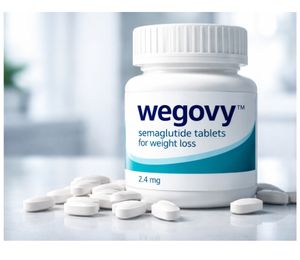
Wegovy Oral (semaglutide tablets)
Mechanism: GLP-1 receptor agonist
How given: Oral tablet (swallowed whole on an empty stomach with less than 4 oz water; wait 30 minutes before eating)
Dosing frequency: Once daily
Dose titration: Start at 1.5 mg, increase every 30 days (1.5 → 4 → 9 → 25 mg)
Maintenance dose: 25 mg daily
Average weight loss: Comparable to injectable Wegovy 2.4 mg (14-17% body weight)
FDA status: Approved 2026
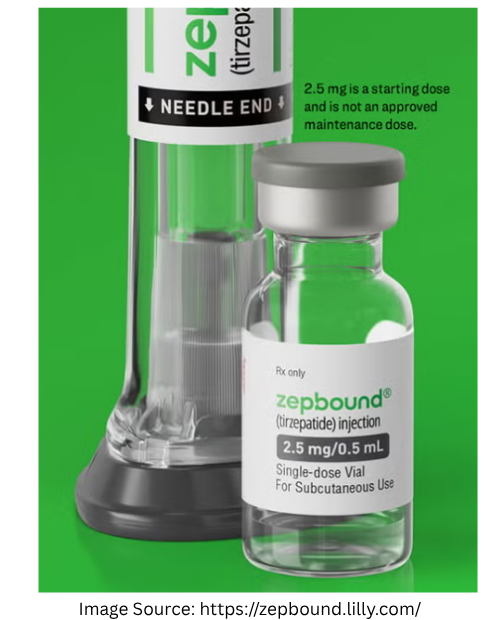
Zepbound (tirzepatide)
Mechanism: Dual GIP/GLP-1 receptor agonist
How given: Subcutaneous injection (prefilled pen)
Dosing frequency: Once weekly
Dose titration: Start at 2.5 mg, increase by 2.5 mg every 4 weeks
Maintenance dose: 5 mg, 10 mg, or 15 mg weekly (maximum 15 mg)
Average weight loss: ~20-25% total body weight
Same medication as Mounjaro-approved in 2021 for Diabetes
Approved for moderate/severe obstructive sleep apnea
FDA status: Approved 2023
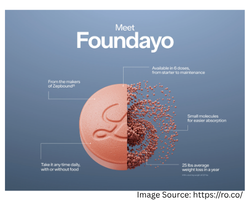
Foundayo (orforglipron)
Mechanism: Oral non-peptide GLP-1 receptor agonist
How given: Oral tablet (once daily)
Dosing frequency: Once daily
Dose titration: Start at 0.8 mg, increase every 30 days or more (0.8 → 2.5 → 5.5 mg; may continue to 9 → 14.5 → 17.2 mg)
Maintenance dose: Up to 36 mg (clinical trial); 17.2 mg (label)
Average weight loss: ~11.2% total body weight at 36 mg dose at 72 weeks; ~9.6% at 36 mg dose in patients with type 2 diabetes
First small molecule (non-peptide) oral GLP-1 agonist for obesity
No fasting or water restrictions-take at any time of day
FDA status: Approved April 2026
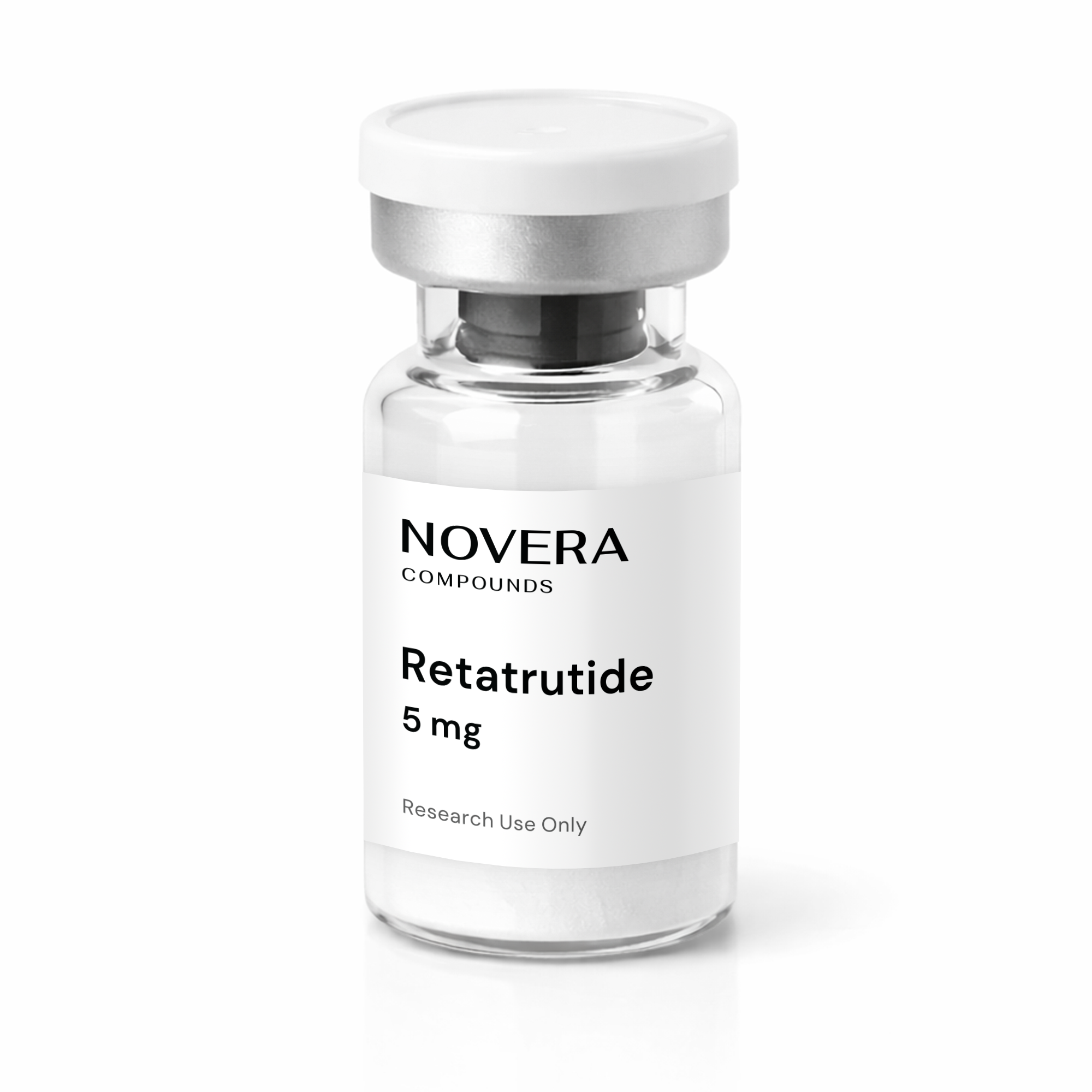
Retatrutide
Mechanism: Triple GIP/GLP-1/glucagon receptor agonist
How given: Subcutaneous injection (pen)
Dosing frequency: Once weekly
Dose titration: Start at 2 mg, increase every 4 weeks over 12 weeks to target dose
Maintenance dose: 8 mg or 12 mg weekly (phase 2 trial doses)
Average weight loss: ~22.8–24.2% total body weight at 8–12 mg doses at 48 weeks; ~16.9% at 12 mg dose in patients with type 2 diabetes at 36 weeks
FDA status: Investigational (currently in phase 3 trials)
Important notes for all medications:
Common side effects include nausea, vomiting, diarrhea, and constipation. These are usually mild to moderate and improve with slow dose titration.
If treatment is stopped, weight regain typically occurs for people with chronic obesity.
Potential Side Effects of GLP-1 Medications
GLP-1 medications are generally well tolerated, but like all medications, they can cause side effects. Most side effects are mild to moderate, occur during the first few weeks of treatment or when your dose is increased, and tend to improve over time as your body adjusts.
Common side effects (gastrointestinal)
These are the most frequently reported side effects and are related to how the medication works — by slowing digestion:
Nausea (25–44% of patients)
Diarrhea (19–30%)
Vomiting (8–25%)
Constipation (11–24%)
Abdominal pain or bloating (9–20%)
Heartburn or acid reflux
Belching or gas
Tips to reduce stomach-related side effects:
Eat smaller, more frequent meals
Eat slowly and stop when you feel full
Avoid high-fat, greasy, or spicy foods
Limit alcohol and carbonated drinks
Stay well hydrated
Increase fiber and water intake if constipated
Other common side effects
Headache
Fatigue or low energy
Dizziness
Hair thinning (usually temporary)
Injection-site reactions (redness, itching, or swelling at the injection site)
Less common but important side effects
Gallbladder problems: GLP-1 medications can increase the risk of gallstones or gallbladder inflammation. However, this risk is also increased in obesity. Tell your doctor if you develop sudden, severe pain in your upper right abdomen.
Muscle and bone loss: Significant weight loss from any cause can lead to loss of lean muscle mass and reduced bone density. This is why protein intake and strength training are so important while on these medications.
Rare but serious side effects
These are uncommon but require immediate medical attention:
Eye complications: In patients with diabetes, rapid improvement in blood sugar control may temporarily worsen diabetic eye disease. Discuss eye exams with your doctor before starting treatment.
Thyroid tumors: In animal studies, GLP-1 medications have been linked to a type of thyroid cancer (medullary thyroid carcinoma). This has not been confirmed in humans, but these medications should not be used if you or a family member has a history of medullary thyroid cancer or Multiple Endocrine Neoplasia syndrome type 2 (MEN 2).
When to call your doctor
Severe or persistent nausea, vomiting, or diarrhea
Inability to keep food or fluids down
Severe abdominal pain
Signs of an allergic reaction
Unusual weakness, dizziness, or fainting
Rapid or unexplained weight loss (more than 2 pounds per week)
Mood changes or thoughts of self-harm
WHEN TO INCREASE YOUR GLP-1 Medication Dose: Why We Go Slow
Your GLP-1 Dose Won’t Increase on a Fixed Schedule
You might have heard that your medication dose will automatically go up every week or month—but that’s not how we do it. Your dose will only increase when all of these are true:
You’re tolerating your current dose well (minimal nausea, vomiting, or other side effects)
Your weight loss has plateaued on your current dose
You’re consistently strength training and staying active
You’re meeting your daily protein goals (usually 80–120 grams per day)
“The goal of this medication isn’t just to help you lose weight—it’s to help you become stronger and healthier. Losing weight too quickly or without the right nutrition and exercise can lead to muscle loss, fatigue, hair thinning, nutritional deficiencies, and lower bone density.
We want your body to lose fat while preserving your muscle, strength, and energy. That only happens when weight loss is gradual, supported by protein and exercise, and carefully monitored.”
What This Means for You
Be patient with your dose. Staying on a lower dose longer isn’t a failure—it’s smart, safe medicine.
Focus on building healthy habits at each dose before moving up.
If you’re losing weight steadily, feeling good, exercising, and eating enough protein, you may never need a higher dose—and that’s perfectly okay.